Alphabet 3D SVG Beach: A Practical Tool for Creative Projects
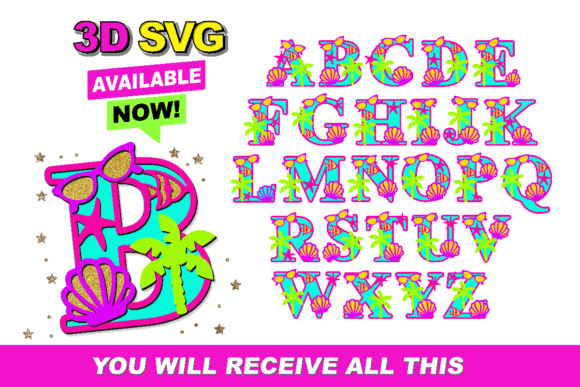
The Alphabet 3D SVG Beach is a unique digital design resource that brings the visual appeal of beach-themed typography into your crafting and production workflow. This 3D SVG file is specifically designed to be compatible with popular cutting software like Silhouette Studio and Cricut Design Space, making it a versatile option for creators who want to add dimension and style to their projects. Whether you're working on signage, custom decorations, or themed merchandise, this file can streamline your process and elevate the final output.
Understanding the Role of Alphabet 3D SVG Beach in Your Workflow
Incorporating an Alphabet 3D SVG Beach into your creative process involves more than just selecting a file and sending it to your machine. It's about understanding how this resource fits into your broader project lifecycle—from initial concept to final production. Typically, such SVG files are used during the design phase to visualize how text will appear in three dimensions before moving on to material selection and cutting.
For instance, if you're planning a summer-themed event and need signage that stands out, the Alphabet 3D SVG Beach allows you to preview how each letter looks in 3D space. You can adjust spacing, size, and layering directly within your design software, ensuring everything aligns with your aesthetic goals before you start cutting materials.
Preparation Tips Before Using Alphabet 3D SVG Beach
Before you begin using the Alphabet 3D SVG Beach, take a few moments to prepare your workspace and tools:
- Check Compatibility: Ensure that your cutting machine supports SVG file formats. The file is optimized for Silhouette Studio and Cricut Design Space, but if you use a different platform, confirm that it can handle layered 3D SVGs without distortion.
- Organize Your Files: Store the downloaded zipped folder in a dedicated directory for SVG assets. Label it clearly so you can easily retrieve it later for similar projects.
- Review Material Thickness: Since it’s a 3D design, consider the thickness of the material you plan to cut. Some machines may require adjustments depending on whether you're using foam board, cardboard, or acrylics.
- Unzip and Inspect: After downloading the zipped folder, extract the contents and open the SVG in your preferred software. Check for any layers or groups that might need reordering or resizing.
By taking these steps, you'll avoid unnecessary delays and ensure a smoother integration of the design into your project.
How to Use Alphabet 3D SVG Beach During the Design Phase
During the design phase, the Alphabet 3D SVG Beach serves as both inspiration and blueprint. Here’s how it can enhance your work:
- Custom Text Creation: Input your desired text into the software and apply the 3D SVG design. Adjust the depth and perspective settings to match the look you want.
- Layer Management: The 3D effect is usually achieved through multiple layers. Make sure each part of the letters is properly grouped and arranged for accurate cutting.
- Mockup Testing: Use the software's mock-up feature to see how the 3D letters would look on a real-world object—like a wooden sign or a wall decal. This helps identify any scaling or alignment issues early on.
This stage is crucial for maintaining consistency across your project. If you’re creating a series of signs or promotional items, using the same 3D SVG template ensures all text elements maintain a uniform appearance.
Integration with Other Tools and Resources
Alphabet 3D SVG Beach doesn’t operate in isolation—it integrates seamlessly with other design tools and resources. For example:
- Adobe Illustrator or Photoshop: Import the SVG into vector-based software to make fine-tuned edits before exporting back to a format suitable for your cutting machine.
- Design Templates: Combine the 3D letters with pre-made templates for business cards, banners, or posters to speed up the design process.
- Color Matching Tools: Use online color pickers or Pantone guides to select the right paint or vinyl colors that complement the 3D design when printed or assembled.
Additionally, consider how the design interacts with lighting or texture. If your end goal is to laser engrave the letters onto a surface, test the contrast and depth in a sample piece first. These small checks can prevent costly mistakes and improve the overall quality of your work.
Workflow Examples: Bringing the Alphabet 3D SVG Beach to Life
Here are two practical examples of how the Alphabet 3D SVG Beach can fit into different workflows:
Example 1: Event Signage for a Coastal Wedding
A designer is tasked with creating welcome signs and directional boards for a seaside wedding. They download the Alphabet 3D SVG Beach and import it into Cricut Design Space. After adjusting the font size and spacing, they create a layered mock-up to show the client. Once approved, the file is sent to the Cricut machine to cut the letters from white foam board. The designer then paints the letters with a sand-toned palette and mounts them onto weather-resistant wood. The result is durable, eye-catching signage that matches the venue's theme perfectly.
Example 2: Themed Merchandise for a Retail Store
A small business owner wants to launch a line of summer-themed keychains. They use the Alphabet 3D SVG Beach to design personalized messages for each item. The SVG is imported into Silhouette Studio, where they customize the text and add additional graphics. The letters are cut from clear acrylic, painted, and attached to keychain bases. By using the same 3D SVG across all products, the brand maintains a consistent visual identity while offering a fresh seasonal look.
After-Cutting Considerations and Assembly
Once the Alphabet 3D SVG Beach has been cut from your chosen material, the next step is assembly. Depending on the complexity of the design, this could involve gluing individual pieces together or attaching them to a backing board. Here are some tips for this phase:
- Use Precision Adhesives: A strong, fast-drying glue works best for securing layered parts without distorting the shape.
- Paint Carefully: Apply paint in thin coats to preserve the 3D effect. Allow each coat to dry fully before adding another.
- Test Mounting Options: Try different mounting methods—such as double-sided tape, magnets, or brackets—to see what works best for your application.
If you're planning to display the finished product outdoors, reinforce the structure with waterproof sealants or UV-resistant coatings. These post-cutting decisions can significantly affect the durability and visual impact of your creation.
Long-Term Use and Reusability
One of the advantages of using the Alphabet 3D SVG Beach is its potential for reuse. Since it's a digital file, you can save it for future projects, repurpose it for different events, or modify it for new branding needs. To maximize its long-term value:
- Keep Backups: Store the original SVG file in a cloud-based drive or external hard drive to protect against data loss.
- Edit Smartly: When tweaking the design for a new project, try to keep changes minimal. Overcomplicating the file can reduce its flexibility and increase the risk of errors during export.
- Create a Template Library: Organize variations of the design (e.g., different sizes, orientations) in a library so they can be accessed quickly for recurring tasks like monthly promotions or holiday displays.
Reusability not only saves time but also reduces costs associated with purchasing new design assets for every project.
Quality Control and Consistency
Maintaining high standards when using the Alphabet 3D SVG Beach is essential. Here are some ways to ensure quality throughout the process:
- Conduct Test Cuts: Always perform a test run on scrap material before committing to the final piece. This helps catch any misalignment or scaling problems.
- Inspect Layers: If the design includes multiple layers, verify that each one cuts cleanly and accurately. Misaligned or incomplete cuts can ruin the 3D effect.
- Calibrate Your Machine: Regular maintenance and calibration of your cutting tool will help produce clean, precise results every time.
Consistency is especially important in branding or commercial applications. If you're producing multiple items with the same text, make sure each one is cut and assembled using identical settings and techniques.
Storage and Organization of Digital Assets
With the Alphabet 3D SVG Beach stored in a zipped folder, it’s important to manage your digital assets effectively:
- Name Files Clearly: Instead of leaving the file named "Alphabet_3D_SVG_Beach," rename it based on the specific text or purpose it was used for, e.g., "SummerWelcomeSign_3DBeach_Font."
- Version Control: Keep track of any modifications made to the original SVG. This helps in troubleshooting and ensures you can always return to a known working version.
- Backup Regularly: Don’t rely solely on your local storage. Cloud backups offer an extra layer of protection against accidental deletion or hardware failure.
Proper organization makes it easier to scale your work. As your collection of SVGs grows, a well-structured system becomes invaluable for finding the right file at the right time.
Optimizing Efficiency with Alphabet 3D SVG Beach
Efficiency in creative workflows is about minimizing redundant steps and maximizing output. The Alphabet 3D SVG Beach can help in several ways:
- Batch Processing: If you're working on multiple projects with similar text requirements, batch edit the SVG designs in your software before sending them to the cutting machine.
- Template Reuse: Create a base design using the SVG and duplicate it for each new project. Simply change the text and tweak the layout instead of starting from scratch.
- Time-Saving Automation: Use scripts or plugins within your design software to automate repetitive tasks like resizing or grouping layers.
These optimizations allow you to focus more on creativity and less on technical setup, which is especially helpful when working under tight deadlines or managing multiple clients.
Common Pitfalls to Avoid
Even with a straightforward SVG file like the Alphabet 3D SVG Beach, there are common issues that can arise if you’re not careful:
- Ignoring File Structure: Failing to understand how the SVG is layered can lead to missing or misplaced parts after cutting.
- Overlooking Software Settings: Each cutting machine requires specific parameters for optimal performance. Make sure you're using the correct blade depth and pressure settings for your material.
- Skipping Quality Checks: Rushing past the test-cut phase often leads to wasted materials and time spent fixing flawed pieces.
Being mindful of these pitfalls ensures that your final product meets expectations and maintains a professional standard.
Conclusion
The Alphabet 3D SVG Beach is more than just a decorative element—it’s a functional asset that can streamline your creative process and enhance the visual appeal of your projects. By understanding how it fits into your workflow, preparing your tools and materials, and following best practices for implementation and maintenance, you can make the most of this design. Whether you're a hobbyist looking to craft something special or a professional aiming to deliver high-quality branded content, integrating this SVG into your routine offers a balance of efficiency and creativity.