3D Layered Heart: A Versatile Design for Creative Projects
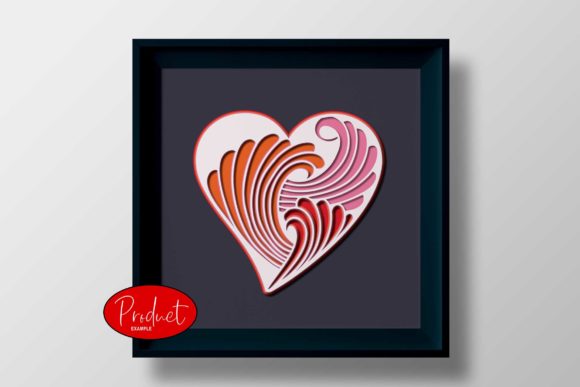
The 3D Layered Heart is a modern and artistic design that allows creators to craft visually striking pieces using multiple layers. This type of heart design is often used in home decor, wall art, and personalized gifts due to its depth, texture, and customizable nature. It’s ideal for those who want to add dimension and character to their creative projects without requiring advanced skills or tools.
What Is a 3D Layered Heart?
A 3D Layered Heart is composed of several interlocking parts arranged in layers to create the illusion of depth. Each layer can be made from different materials such as card stock, wood, plastic, plywood, or MDF. The design typically includes an SVG file containing all the layers, along with PNG, EPS, and DXF formats for versatility in use. These files are provided in a single ZIP folder, making it easy to access and work with the design across various platforms and machines.
While the standard size of this design is over 8 inches (20 cm) at its widest point, users have the option to resize it depending on their project needs. However, when scaling down, it's important to consider how thin elements may affect the structural integrity and visual impact of the final piece.
Why People Are Interested in 3D Layered Hearts
People are drawn to the 3D Layered Heart because of its unique ability to transform flat designs into something more dynamic and tactile. Whether you're a hobbyist looking to spruce up your living room or a small business owner creating custom gifts, this design offers a compelling way to stand out.
Its modular structure also appeals to those who enjoy hands-on crafting. Users can choose to incorporate all available layers or just one or two, depending on their aesthetic preferences and technical capabilities. Additionally, the option to mix and match colors makes it adaptable to a wide range of themes and personal styles.
Benefits of Using a 3D Layered Heart Design
- Customization: With multiple file formats included, you can tailor the design to suit your specific needs. You can adjust the number of layers, color schemes, and even the overall dimensions to fit your vision.
- Versatility: The design works well with various materials, making it suitable for both indoor and outdoor applications. It can be painted, stained, laser-cut, or even used as a stencil for fabric or paper crafts.
- Professional Quality: The PNG file with a transparent background and 300 dpi resolution ensures high-quality prints or digital displays, which is essential for commercial or gift-related purposes.
- Easy to Modify: SVG, EPS, and DXF formats are compatible with most design software, allowing for seamless editing and integration into larger projects or presentations.
Tradeoffs and Considerations
Despite its many advantages, there are some factors to keep in mind before deciding to use a 3D Layered Heart in your project:
- Material Thickness: Because the design relies on layered components, the thickness of each material must be consistent to ensure proper alignment and visual harmony. Inconsistent thickness can lead to misalignment or a less polished look.
- Size Limitations: While resizing is possible, reducing the heart too much may cause the intricate details and thin elements to become fragile or lose their intended effect. Always assess whether the scaled version will maintain its visual appeal and structural soundness.
- Machine Compatibility: Before purchasing or downloading the design, confirm that your cutting machine, printer, or other equipment supports the included file formats. If not, you may need additional software or hardware to work with the files effectively.
- Assembly Time: Depending on the number of layers and the material used, assembling the heart can be time-consuming. It requires attention to detail and patience to achieve the best results.
When a 3D Layered Heart Is a Strong Fit
This design excels in certain scenarios where depth and customization are key:
- Home Decor: A large 3D heart can serve as a standout piece in a bedroom, living room, or hallway. Its layered appearance adds a sense of luxury and craftsmanship that flat designs cannot replicate.
- Wall Art: When mounted properly, the heart becomes a three-dimensional focal point. It’s especially effective in minimalist or modern spaces where texture and form play a significant role.
- Gifts and Keepsakes: As a thoughtful and handmade gift, a 3D heart can represent love, friendship, or appreciation. Customizing the colors and adding names or dates makes it a meaningful keepsake.
- Commercial Use: Artists and entrepreneurs can use this design to create branded products, such as custom signage, promotional items, or wedding decorations. The high-resolution PNG file is particularly useful for printing and digital marketing.
When Alternatives May Be Worth Considering
Although the 3D Layered Heart is a versatile option, it may not always be the best choice. Here are some situations where you might prefer an alternative design:
- Small Projects: If you’re working on a compact item like a keychain or a small ornament, the complexity of the layered design could be impractical. Flat or simplified 2D hearts may be better suited for these uses.
- Budget Constraints: Creating a multi-layered heart can require more materials and time compared to traditional flat artwork. If speed and cost-efficiency are priorities, simpler alternatives might be preferable.
- Lack of Equipment: If your tools don’t support SVG, EPS, or DXF files, or if you don’t have experience working with layered designs, you might find it challenging to bring the concept to life. In such cases, opting for pre-assembled or 2D versions could save effort.
- Minimalist Aesthetics: Some design styles prioritize simplicity and subtlety. If your goal is a clean, uncluttered look, a single-layer heart or a minimalist vector illustration might align better with your vision.
Practical Tips for Decision-Making
Here are a few insights to help you determine if a 3D Layered Heart fits your creative goals:
Assess Your Project Scope: Think about the size, purpose, and placement of your final product. A large heart with multiple layers will make a bold statement, while a smaller version may not deliver the same visual impact.
Check Material Availability: Ensure that you have access to the right materials for your design. Thicker materials like wood or MDF can provide a sturdier result, but they may require more effort to cut and assemble.
Evaluate Technical Requirements: Confirm that your software and hardware can handle the file formats included in the ZIP folder. If not, explore options for conversion or seek out compatible tools before proceeding.
Plan for Assembly: Decide whether you’ll build the entire heart or simplify it by using only a couple of layers. This decision can influence the final outcome, so consider your skill level and the tools you have available.
Final Thoughts
The 3D Layered Heart is a powerful creative tool that combines aesthetics and functionality. It’s ideal for those who want to create something unique and dimensional, whether for personal enjoyment or professional use. However, its success depends on careful planning, the right materials, and the appropriate tools.
If you value customization, depth, and visual appeal in your projects, then the 3D multilayer design could be an excellent addition to your creative arsenal. On the other hand, if you're looking for something quick, simple, or low-cost, you may want to explore other design options that better suit your needs.
Ultimately, the 3D Layered Heart is a flexible and expressive design element that, when executed thoughtfully, can elevate any creative endeavor. Take the time to evaluate your requirements and resources, and you’ll be able to decide if it’s the right fit for your next project.