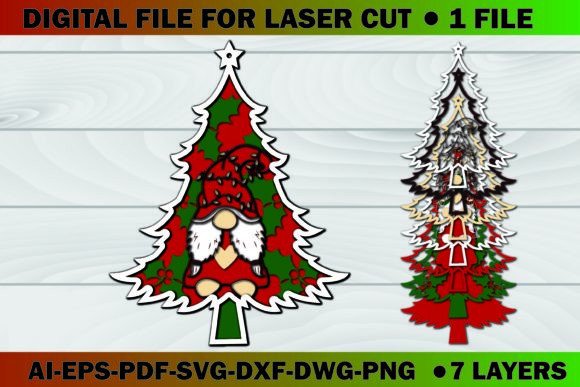
Christmas Tree Gnome Paper Cut 3D SVG: A Creative Guide for Designers and Craft Enthusiasts
When it comes to holiday decorations, the Christmas Tree Gnome Paper Cut 3D SVG has become a popular choice among creators, hobbyists, and small business owners. This digital design combines whimsical charm with precision-cutting capabilities, making it ideal for laser cutters, CNC routers, and other cutting machines. Whether you're crafting personalized gifts or producing festive displays for your shop, understanding how to use these files effectively is key to achieving professional results.
What Is a Christmas Tree Gnome Paper Cut 3D SVG?
A Christmas Tree Gnome Paper Cut 3D SVG is a vector-based digital illustration that features a gnome character standing next to a tree, often in a stylized paper-cut or silhouette format. The "3D" aspect typically refers to layered elements that can be assembled to create a three-dimensional effect when printed or cut from materials like wood, acrylic, or cardboard. These designs are created using scalable vector graphics (SVG), which means they maintain clarity at any size—perfect for both small DIY projects and large-scale commercial production.
The file bundle includes multiple formats such as AI, EPS, DXF, DWG, PNG, PDF, and more, all compressed into a ZIP folder. This makes it versatile for different software and tools, ensuring compatibility across platforms. With dimensions of 1200 x 1200 pixels, but infinitely scalable, this design offers flexibility without compromising detail or quality.
Common Mistakes When Choosing and Using Christmas Tree Gnome Files
Many users make avoidable mistakes when selecting or applying Christmas Tree Gnome Paper Cut 3D SVG files. One common issue is not verifying the file compatibility with their specific cutting machine. While SVG is widely supported, some systems may require DXF or DWG formats for optimal performance. Failing to check this can lead to misaligned cuts or even damage to the machine.
Misunderstanding Scalability
Although the graphic is labeled as infinitely scalable, not everyone understands what that truly means. Scaling an SVG up too much without adjusting line weights or material thickness can result in weak or inaccurate cuts. For example, if you scale the design to fit a large wooden panel, the lines might become too thin for the blade to follow correctly, especially on intricate parts like the gnome’s hat or facial details.
Better approach: Always review the original line weights before scaling. If you’re enlarging the design significantly, consider increasing the stroke width slightly in your design software to ensure the cutter can trace each layer accurately.
Overlooking Layer Organization
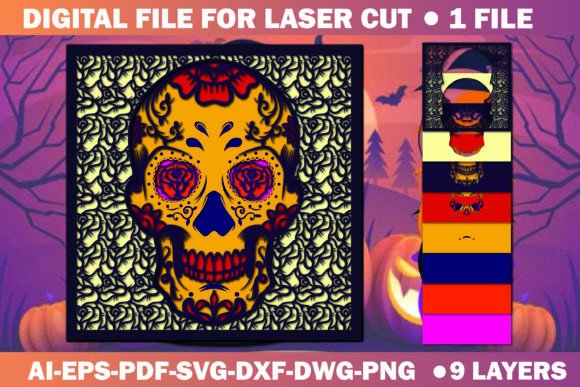
Another frequent mistake is failing to properly organize or separate layers in the design file. Many SVGs for 3D paper cuts come with multiple layers that need to be cut individually and then stacked to form the final 3D structure. Not isolating these layers can lead to confusion during the cutting process and errors in assembly.
Example: Suppose you’re preparing a batch of gnome decorations for a local market. If you don’t take the time to identify and label each layer, you risk mixing them up, leading to mismatched pieces and wasted materials. This can slow down production and reduce the visual appeal of your finished products.
Tip: Open the AI or EPS file first to inspect the layer structure. Use colors or labels to differentiate between background, midground, and foreground layers. This step ensures smoother workflow and better end results.
Using the Wrong Material Thickness
Designs intended for paper-cutting are often optimized for thinner materials. Some creators attempt to use the same settings for thicker substrates like MDF or acrylic, which can cause issues. The depth and force required for cutting vary depending on the material, and using incorrect parameters can lead to incomplete cuts or tool wear.
Real-world scenario: An entrepreneur trying to produce durable gnome ornaments from acrylic may notice that the edges aren’t clean. This could be due to using default laser settings meant for cardstock rather than adjusting them for acrylic's hardness and melting point.
Solution: Before starting, test the design on a scrap piece of the actual material you plan to use. Adjust power, speed, and depth settings based on the material type and thickness. Refer to your machine's manual or online forums for best practices related to your substrate.
How to Evaluate and Choose the Right File Set
With so many options available online, choosing the right Christmas Tree Gnome Paper Cut 3D SVG can feel overwhelming. Here are a few things to keep in mind:
- Check the resolution and scalability: Ensure the design is high-resolution and uses vector paths for crisp, clean edges at any size.
- Verify compatibility: Make sure the included file types match the software and hardware you have access to. If you only use Adobe Illustrator, having an AI file is essential—but if you work with CAD software, DXF or DWG might be more useful.
- Look for clear instructions: A good file set should include basic guidelines on how to assemble the 3D layers. Some sellers also provide templates or tutorials, which can be invaluable for beginners.
Additionally, always read reviews or ask for samples if possible. A well-prepared design will save you time and money in the long run by minimizing trial-and-error and rework.
Practical Tips for Using Your Files Effectively
To get the most out of your Christmas Tree Gnome Paper Cut 3D SVG, consider the following tips:
- Use appropriate software: Programs like Adobe Illustrator, Inkscape, or CorelDRAW are excellent for editing SVGs. If you're working with CNC machines, software like AutoCAD or Fusion 360 can help manage DXF/DWG files efficiently.
- Optimize for your machine: Every laser cutter or CNC router has unique specifications. Import the SVG into your machine’s software and adjust settings accordingly. Don’t rely solely on default values.
- Test print or cut: Especially if you're using the design for the first time, do a test run. Print it out on regular paper or perform a small cut to see how the layers align and look once assembled.
- Plan your presentation: Think about how the final product will be displayed. Will it be hung as an ornament? Placed on a shelf as a 3D sculpture? Understanding the purpose helps in choosing the right materials and finishes.
Why You Should Care About Quality and Detail
High-quality SVG files not only look better but also perform better on cutting machines. Poorly designed or converted files can cause misalignment, jagged edges, or even failed cuts. When evaluating a Christmas Tree Gnome Paper Cut 3D SVG, pay attention to the sharpness of the lines, the consistency of the shapes, and whether the layers are clearly separated.
For instance, a professionally made SVG will likely have smooth curves and no overlapping paths that could confuse the cutting machine. On the flip side, a low-quality version might appear pixelated or have inconsistent spacing between layers, affecting the 3D illusion when assembled.
If you're planning to sell your creations, investing in a high-quality design can boost customer satisfaction and encourage repeat purchases. It reflects professionalism and attention to detail—qualities that stand out in competitive markets.
Best Practices for Beginners and Pros Alike
Whether you're just starting out or are a seasoned crafter, here are a few best practices to keep in mind when working with Christmas Tree Gnome Paper Cut 3D SVG files:
- Always work with a backup copy: Edit a duplicate file to prevent accidental changes to the original design.
- Use proper alignment guides: When assembling the 3D layers, precise alignment is crucial. Misaligned pieces can ruin the visual impact of the gnome and tree.
- Consider color and texture: Even though the design is monochrome, you can enhance it with paint, stain, or metallic foil. Plan your finishing touches before cutting to streamline the process.
- Store files securely: Keep your ZIP folder backed up and organized. Losing these files can mean repeating the purchase or facing delays in your project timeline.
Conclusion
The Christmas Tree Gnome Paper Cut 3D SVG is a fun and creative way to bring holiday cheer to your projects. However, its success depends heavily on how well you understand and prepare for the process. By avoiding common pitfalls like ignoring layer organization, using improper materials, or relying on outdated settings, you can ensure that your final product looks polished and professional.
Take the time to evaluate the file set before purchasing, and don’t hesitate to reach out to the seller for clarification if needed. Remember, a little preparation goes a long way when it comes to laser cutting and CNC routing. With the right approach, you'll find that these digital designs offer endless possibilities for creativity and customization this holiday season.